18 Real Use Cases of Healthcare Texting for Modern Practices

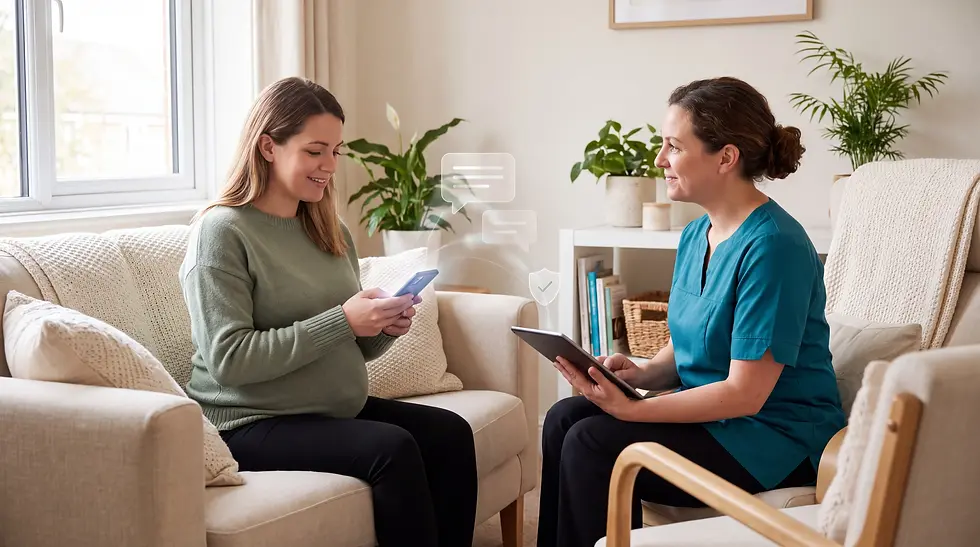
Text messaging quietly became the most reliable channel in modern healthcare. Patients open texts at a 98% rate, usually within three minutes, while only about 12% of healthcare emails ever get opened. Phone calls fare even worse, with 45% of patients ignoring numbers they do not recognize. That gap is why 64% of healthcare organizations now run some part of their patient communication through SMS, and why the secure healthcare messaging market is projected to grow from $701 million in 2024 to $3.5 billion by 2034.
The interesting story is not that texting works. It is how many specific workflows it now powers. The use cases of healthcare texting today reach far beyond reminders. Texts route critical lab alerts to the right clinician, fill open nursing shifts in minutes, deliver post-discharge check-ins that reduce readmissions by more than half, and let patients pay bills, confirm visits, and ask questions without ever picking up a phone.
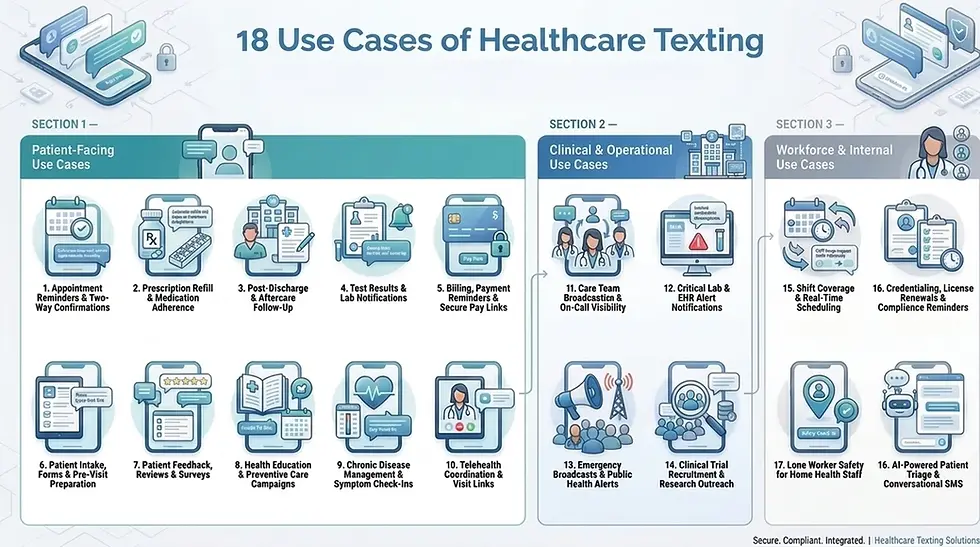
This guide breaks down 18 real use cases of healthcare texting across patient engagement, clinical care, operations, and workforce management. Each one is paired with what the message looks like in practice and the outcome it drives.
Why Healthcare Is Standardizing on Text Messaging
Three forces explain the shift. First, patient behavior has caught up with consumer behavior. Most patients already prefer text for routine updates, and over 60% of millennials choose text as their default healthcare channel. Second, the cost of inaction is steep. Missed appointments alone cost the US healthcare system more than $150 billion a year, and texting can cut no-shows by 30 to 50%. Third, the compliance gap closed. HIPAA Ready platforms now sign Business Associate Agreements, encrypt messages in transit and at rest, log every interaction, and make consent capture trivial.
The result is a channel that is fast, cheap, measurable, and finally safe to use at scale. Below are the workflows where it pays off the most.
Patient-Facing Use Cases of Healthcare Texting
These are the workflows most teams launch first, and they typically pay back the platform investment within a single quarter through fewer no-shows, better collections, and lower call volume.
1. Appointment Reminders and Two-Way Confirmations
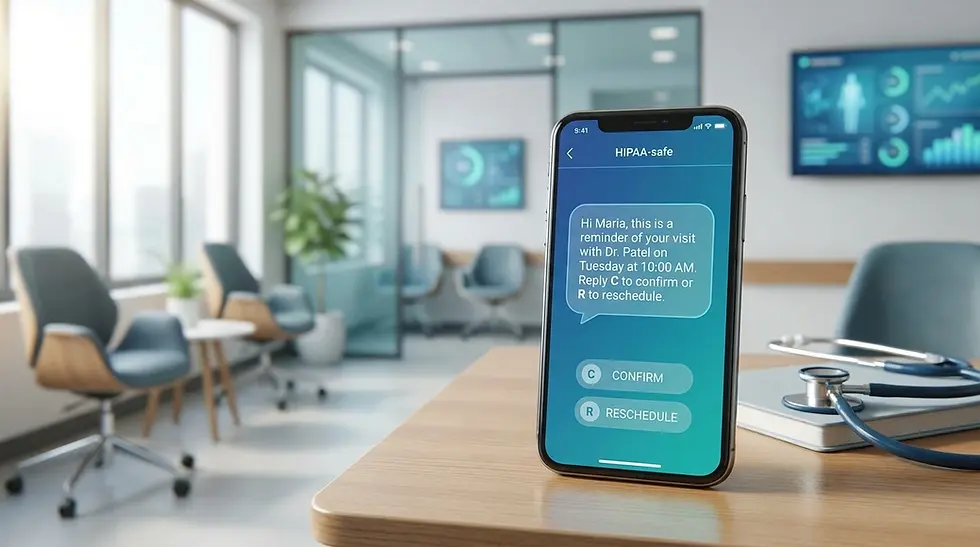
The single highest-ROI use case is automated reminder texting. A simple message such as "Hi Maria, this is a reminder of your visit with Dr. Patel on Tuesday at 10:00 AM. Reply C to confirm or R to reschedule." can reduce no-shows by 30 to 50%, recover thousands per month per provider, and free front-desk staff from chasing confirmations. Two-way replies keep the schedule clean without a single phone call.
2. Prescription Refill and Medication Adherence
Roughly half of chronic-disease patients do not take medications as prescribed, and abandoned refills cost lives and revenue. Automated SMS refill alerts and adherence nudges close that gap. A pharmacy can text "Your blood pressure refill is ready for pickup at our 5th Street location. Reply Y to confirm or pick up by Saturday." Studies show texting boosts medication adherence in chronic care by up to 22%.
3. Post-Discharge and Aftercare Follow-Up
The first 30 days after discharge are the riskiest stretch in many care journeys. A landmark Penn Medicine study found that an automated texting program after discharge reduced 30-day hospital readmissions by 55% and emergency care use by 41%. Tapering daily check-ins ("How is your pain on a scale of 1 to 10?") let a small care team monitor thousands of recently discharged patients and escalate only when answers signal a problem.
4. Test Results and Lab Notifications
Waiting on results is stressful, and stressed patients call your front desk. Texting "Your lab results are in. Tap the secure link to view in your portal." closes that loop in seconds. Sensitive results should always travel through an authenticated portal link, not the message body, but the notification itself can ride on SMS.
5. Billing, Payment Reminders, and Secure Pay Links
Outstanding balances climb fast when statements arrive only by mail. Healthcare texting use cases for revenue cycle include polite balance reminders and one-tap pay links such as "You have a balance of $84.50 from your 4/12 visit. Tap to pay securely [link]." Practices that text bills routinely shorten days in accounts receivable and cut collection costs.
6. Patient Intake, Forms, and Pre-Visit Preparation
Sending intake links over text dramatically increases the share of patients who arrive with paperwork already done. A pre-visit text might read, "See you Wednesday at 9:00 AM. Save time by completing your intake form here [link]. Please arrive 10 minutes early." Pre-visit prep texts also reduce check-in time, cancellation risk, and missing-information delays.
7. Patient Feedback, Reviews, and Surveys
Asking for feedback by email gets ignored. SMS surveys see roughly 4x the response rate of email surveys. A short post-visit text such as "Thanks for visiting today. How was your experience? Reply 1 to 5." captures sentiment when the visit is fresh, surfaces problems in time to fix them, and feeds Google or Healthgrades review requests when the score is high.
8. Health Education, Wellness Tips, and Preventive Care Campaigns
Broadcast texting is the cheapest way to nudge population-level behavior. Flu campaigns, mammogram reminders, annual physicals, and pediatric vaccination outreach all run well over SMS. A simple "Flu shots are available walk-in this week. Reply BOOK to schedule." can drive measurable lift in seasonal vaccination rates.
9. Chronic Disease Management and Symptom Check-Ins
For diabetes, heart failure, COPD, asthma, and behavioral health programs, regular check-ins keep patients engaged and surface deterioration early. Care teams can prompt blood-sugar logs, blood-pressure readings, mood ratings, or inhaler use, and pair the data with periodic clinician outreach. Two-way symptom reporting between visits is one of the most underused use cases of healthcare texting and one of the most powerful.
10. Telehealth Coordination and Visit Links
Virtual visits live or die on whether the patient can find the link at the right time. Texting the join link 15 minutes before the visit, plus a quick test instruction, has become a near-universal best practice for telehealth and remote behavioral health programs.
See how Falkon SMS automates these patient workflows from your existing business number.
Clinical and Operational Use Cases of Healthcare Texting
These workflows happen behind the scenes, but they shape how fast care moves and how often errors occur.
11. Care Team Coordination and On-Call Visibility
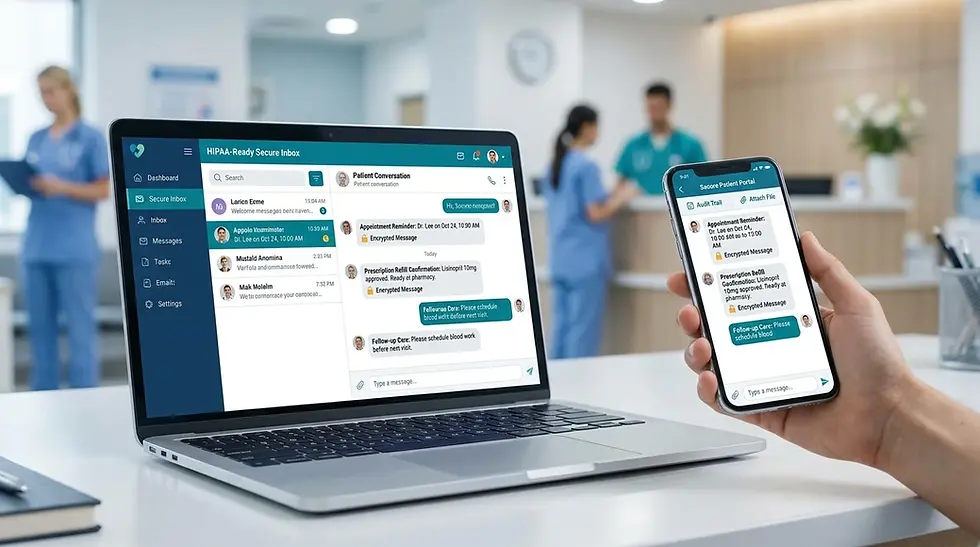
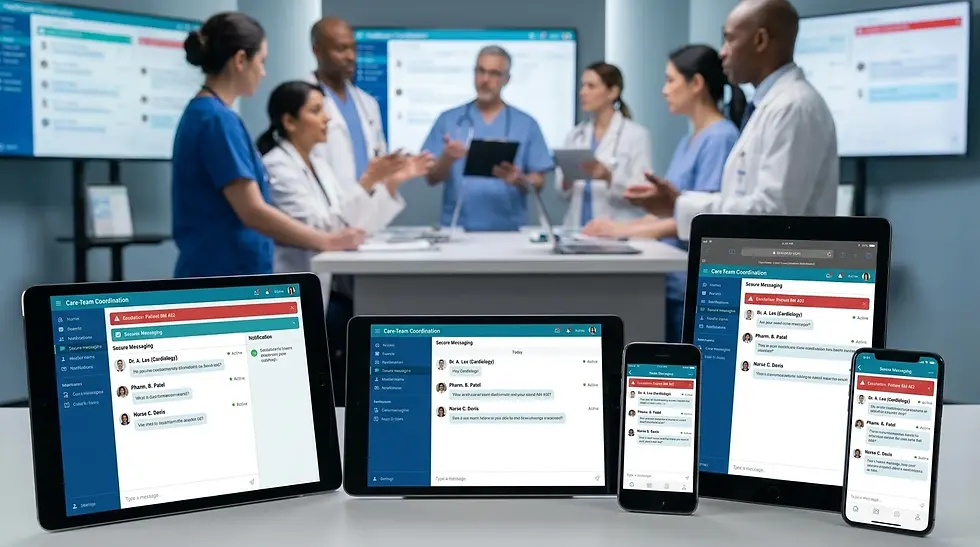
Pagers, voicemails, and phone tag still slow down clinical decision-making. Secure messaging platforms replace that with threaded conversations, presence indicators showing who is on call, and group chats around a single patient that pull in pharmacists, specialists, and primary care. Faster, clearer handoffs reduce errors during shift changes.
12. Critical Lab and EHR Alert Notifications
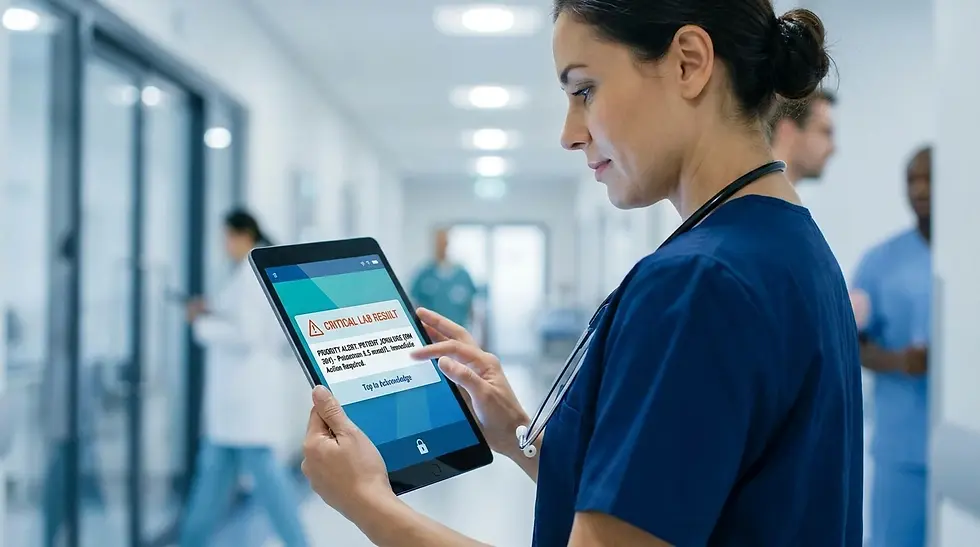
Modern secure messaging platforms can listen to the EHR for triggers like critical lab values, sepsis alerts, or status changes, and push prioritized notifications directly to the responsible clinician's phone. Tiered alerting, escalation rules, and acknowledgement requirements turn a previously fragmented page-and-call workflow into a closed loop.
13. Emergency Broadcasts and Public Health Alerts
When a clinic closes for weather, a vaccine recall hits, or a public health agency announces an outbreak, text broadcasts reach thousands of patients and staff in seconds. Compared to robocalls or emails, the speed and reliability are simply not in the same league.
14. Clinical Trial Recruitment and Research Outreach
Recruiting trial participants is slow and expensive. SMS outreach to opt-in patient databases speeds recruitment, captures eligibility responses, and supports ongoing participant engagement. Researchers also use SMS for adherence prompts and ecological momentary assessments during studies.
Workforce and Internal Use Cases of Healthcare Texting
The clinical side gets most of the attention, but operations is where many of the highest-ROI use cases of healthcare texting live.
15. Shift Coverage and Real-Time Scheduling
When a unit is short-staffed, speed is everything. Health systems now broadcast open shifts to a pool of qualified, credentialed nurses by SMS. The first qualified nurse to reply gets the shift. This single workflow can fill open shifts faster, reduce reliance on expensive travel-nurse contracts, and keep ratios safe.
16. Credentialing, License Renewals, and Compliance Reminders
A 200-employee facility can be tracking up to 1,000 individual expiration dates across licenses, DEA registrations, certifications, and malpractice insurance. Automated SMS reminders on a tapering schedule (180, 90, 60, and 30 days before expiration) plus a mobile upload link keep credentials current and protect Medicare and Medicaid reimbursement eligibility.
17. Lone Worker Safety for Home Health and Field Nurses
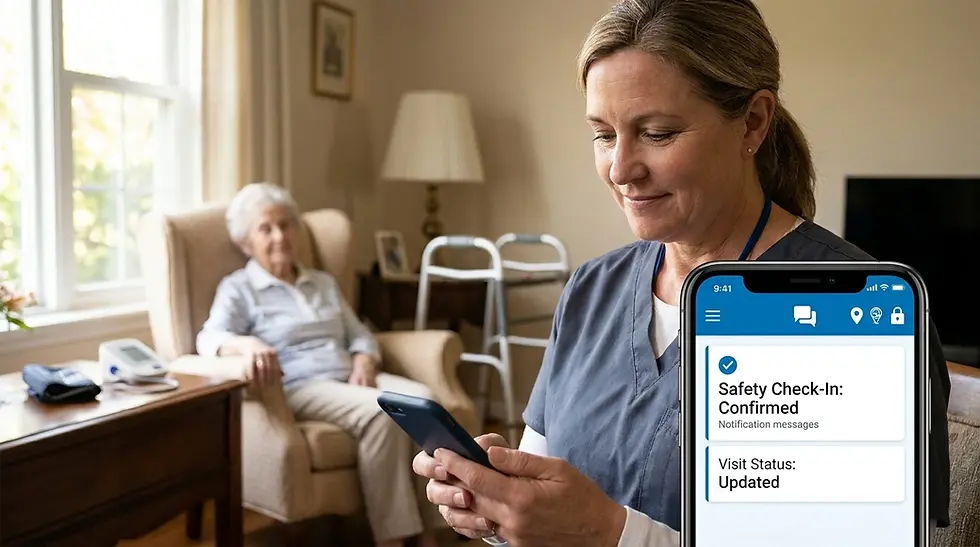
Home health staff often enter unfamiliar homes alone. Lone-worker texting protocols let a nurse start a check-in timer on arrival, send GPS data in the background, and trigger an automatic supervisor alert if the visit runs over without a checkpoint. It is a quiet but critical use case for any field-based care team.
18. AI-Powered Patient Triage and Conversational SMS
This is where SMS gets interesting. AI layered on top of a texting inbox can handle routine inbound questions about hours, insurance, prescription status, and scheduling without ever involving staff. A workflow that pairs naturally with a healthcare MVP software consultancy to prototype and validate these pipelines before full deployment. When a question gets clinical or complicated, the conversation escalates to a human. Early adopters report that AI handles the majority of inbound patient texts, freeing front desk teams to focus on the patients already in the building.
Best Practices for Rolling Out Healthcare Texting
A successful program is more about discipline than technology. The teams that get the most out of texting tend to follow a similar playbook.
Start with explicit opt-in. Capture written or digital consent during scheduling or intake, log it, and honor stop requests immediately. Keep messages short, clear, and free of protected health information. Use a portal link any time the content gets sensitive. Personalize where you can without overdoing it. Use the patient's first name and the provider's name, not generic templates.
Pick the right channel for the message. Use SMS for short notifications, MMS for visuals, and a Secure Chat link or portal for anything that touches PHI. Layer automation on top of triggers in your scheduling and EHR systems so messages fire at the right moment without staff effort. Audit message logs monthly for compliance, response rates, and patient satisfaction. And train staff in tone. Patients can tell when a message is human-written.
How to Choose a HIPAA Ready Texting Platform
Not every SMS tool is built for healthcare. Standard marketing platforms lack the compliance scaffolding regulated providers need. When evaluating vendors for the use cases of healthcare texting outlined above, look for these capabilities.
End-to-end encryption in transit and at rest is non-negotiable. The vendor should sign a Business Associate Agreement on a paid plan. Audit trails must be tamper-proof and searchable. Role-based access keeps the right messages in front of the right staff. Secure file sharing with expiring links handles documents without dropping PHI into email. The platform should text-enable your existing landline, VoIP, toll-free, or Microsoft Teams numbers so patients keep texting the same number they already know. Integrations with your EHR, scheduling system, and tools like Microsoft Teams or Webex matter more than any single feature. And finally, the vendor should manage 10DLC registration so your messages actually get delivered.
Falkon SMS was built specifically for healthcare and other regulated industries, and ticks every one of those boxes, including a signed BAA, secure file sharing, AI-assisted compliance-safe replies, and Microsoft Teams native integration.
Final Thoughts
The use cases of healthcare texting now span clinical, operational, financial, and workforce workflows that used to depend on phone calls, paper, and luck. Practices that take a deliberate, compliance-first approach to texting consistently see fewer no-shows, faster care coordination, better adherence, lower readmissions, and happier patients. The starting point is the same for every team. Pick the workflow that costs you the most time, money, or risk, automate it through a HIPAA Ready texting platform, measure the result, and expand from there.
If you are ready to deploy any of these use cases on a HIPAA Ready platform that uses your existing business number, start a free trial of Falkon SMS and have your team texting patients the same day.
Ready to deploy these use cases on a HIPAA Ready platform?
Book a 15 minute demo of Falkon SMS.