SMS Marketing Funnel Explained: From First Text to Repeat Customer

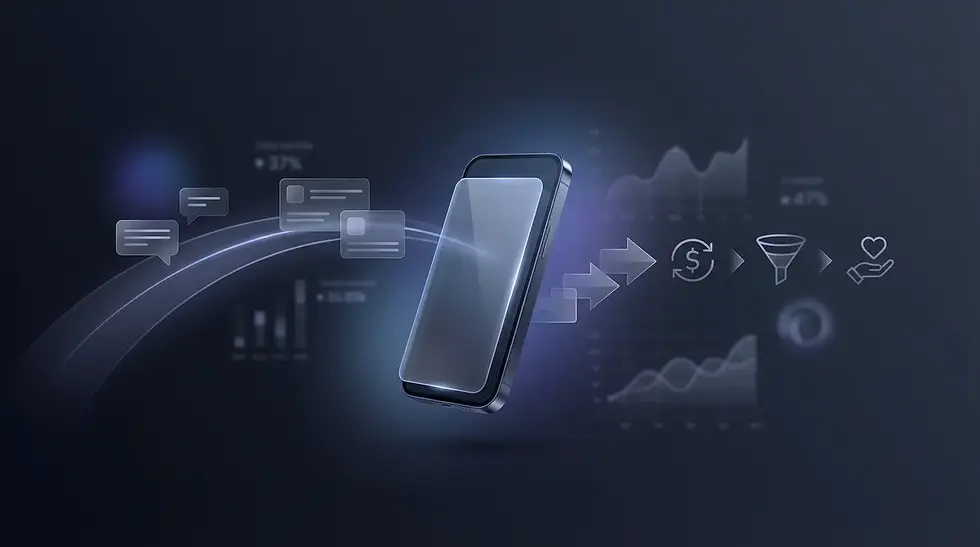
SMS marketing has one of the highest open rates among digital channels. Yet, many businesses struggle to turn texts into actual sales. The reason is simple: they send messages without a clear system in place.
This is where an SMS marketing funnel becomes essential. Instead of sending random promotional texts, businesses need a structured journey that moves a customer from their first message to long-term loyalty.
In this article, we break down the SMS sales funnel step by step. You’ll learn how each stage works, what messages to send, common mistakes to avoid, and how to turn SMS into a reliable revenue channel rather than a one-off marketing experiment.
What Is an SMS Marketing Funnel?
An SMS marketing funnel is a structured process that guides a customer through different stages of engagement using text messages.
Rather than pushing for an immediate sale, the funnel focuses on building trust first, then nurturing interest, and finally encouraging repeat purchases.
At a high level, the SMS sales funnel includes:
Attracting subscribers
Welcoming and onboarding them
Nurturing interest with value-driven messages
Converting interest into purchases
Retaining customers for repeat business
Each stage has a specific purpose. Skipping steps often leads to low conversions or high unsubscribe rates.
Why Businesses Need an SMS Sales Funnel
Many businesses treat SMS as a broadcast channel. They collect phone numbers and immediately start sending offers. This approach often backfires.
A well-designed SMS sales funnel helps businesses:
Send the right message at the right time
Avoid overwhelming customers
Improve conversion rates
Build long-term customer relationships
Increase customer lifetime value
SMS is personal by nature. A funnel ensures that personalization feels helpful rather than intrusive.
Different Stages of SMS Sales Funnel
Stage 1: Subscriber Acquisition (The Entry Point)
Every SMS marketing funnel begins with permission. Customers must actively opt in to receive messages.
How Businesses Can Collect SMS Opt-Ins
Effective opt-in methods include:
Website pop-ups offering discounts or early access
Checkout opt-in checkboxes
QR codes in physical stores
Social media campaigns with SMS sign-ups
Event or webinar registrations
The key is transparency. Customers should clearly understand what they are signing up for.
Best Practices for This Stage
Clearly state how often messages will be sent
Explain the value of subscribing
Avoid misleading incentives
Ensure compliance with local SMS regulations
A strong foundation here prevents problems later in the funnel.
Stage 2: Welcome Messages (First Impression Matters)
The welcome text message is one of the most critical steps in the SMS marketing funnel. It sets expectations and establishes trust.
What a Good Welcome Message Includes
A strong welcome SMS should:
Thank the customer for subscribing
Introduce the brand briefly
Set expectations on message frequency
Deliver the promised incentive, if any
For example, instead of immediately pushing a sale, the message should focus on reassurance and clarity.
Why This Stage Is Important
Customers are most engaged right after opting in. A poorly written welcome message can lead to immediate unsubscribes. A thoughtful one increases the chance that customers stay and engage further.
Stage 3: Nurturing and Engagement (Building Trust Over Time)
This stage is where many SMS campaigns fall short. Businesses rush toward selling instead of nurturing.
What Nurturing Means in an SMS Funnel
Nurturing involves sending messages that add value without always asking for a purchase. These messages keep the brand relevant and helpful.
Examples include:
Product usage tips
Helpful reminders
Educational content
Updates or alerts
Light engagement questions
How Often Should Messages Be Sent?
In most cases, 1–3 messages per week is enough. Over-messaging can feel intrusive and lead to opt-outs.
A successful SMS sales funnel balances engagement with restraint.
Stage 4: Conversion (Turning Interest into Sales)
Once trust is built, customers are more receptive to promotional messages.
What Works at the Conversion Stage
Effective conversion messages usually:
Are clear and concise
Highlight a single offer
Include a clear call-to-action
Create urgency without pressure
Examples include limited-time discounts, restock alerts, or exclusive subscriber offers.
Common Mistakes to Avoid
Sending generic mass promotions
Using aggressive language
Offering discounts too frequently
Ignoring customer behavior and preferences
Personalization significantly improves results at this stage.
Stage 5: Post-Purchase Messaging (Often Overlooked)
The SMS marketing funnel does not end after a purchase. In fact, this is where long-term value begins.
What Post-Purchase Messages Can Include
Order confirmations
Shipping updates
Delivery notifications
Setup or usage tips
Feedback requests
These messages reduce customer anxiety and improve overall experience.
Why This Stage Matters
Customers who receive helpful post-purchase communication are more likely to trust the brand and buy again.
Stage 6: Retention and Repeat Customers
Retention is where the SMS sales funnel delivers the highest ROI.
How SMS Helps Retain Customers
Retention text messages may include:
Loyalty rewards
Early access to new products
Personalized recommendations
Renewal or refill reminders
Exclusive subscriber benefits
These messages make customers feel valued rather than targeted.
Measuring Success at This Stage
Key metrics to track include:
Repeat purchase rate
Unsubscribe rate
Click-through rate
Customer lifetime value
Retention messaging should always feel relevant and timely.
Common Mistakes in SMS Marketing Funnels
Even experienced businesses make these errors:
Treating SMS as a one-way broadcast channel
Ignoring customer consent and preferences
Sending too many promotional text messages
Skipping nurturing stages
Not segmenting audiences
Avoiding these mistakes significantly improves funnel performance.
Conclusion: Turn SMS Into a Long-Term Growth Channel
An effective SMS marketing funnel is not about sending more messages. It is about sending better messages at the right time. From the first welcome text to post-purchase follow-ups and retention campaigns, every stage plays a role in building trust and driving revenue.
When designed correctly, an SMS sales funnel transforms SMS from a simple notification channel into a powerful driver of customer engagement and repeat purchases. Businesses that focus on structure, relevance, and timing consistently see higher conversions and stronger customer relationships.
To manage this journey effectively, businesses often rely on SMS platforms that support segmentation, automation, and compliance. In this context, tools like Falkon SMS help teams streamline their SMS marketing funnel and deliver timely, relevant messages without added operational complexity.
Build a Smarter SMS Funnel
Turn every text into a step toward conversion and repeat sales with a structured SMS strategy.